Hourly rate to salary in one step
Job ads, awards and enterprise agreements quote pay in different ways. A casual café job might advertise an hourly rate, a government role a salary band, and a recruitment agency a weekly figure. This calculator puts them on the same footing so you can compare offers fairly. It converts in both directions and shows every common pay cycle at once.
How to use it
- Choose the direction: hourly rate to salary, or salary to hourly rate.
- Enter the hourly rate or salary you were offered.
- Set the hours you work in a normal week. Full-time in Australia is up to 38 ordinary hours a week under the National Employment Standards, though many awards set 38 and some employers use 37.5 or 40.
- Set the paid weeks per year. Permanent employees are paid for 52 weeks because annual leave and public holidays are paid. A casual or contractor who takes four unpaid weeks off would use 48.
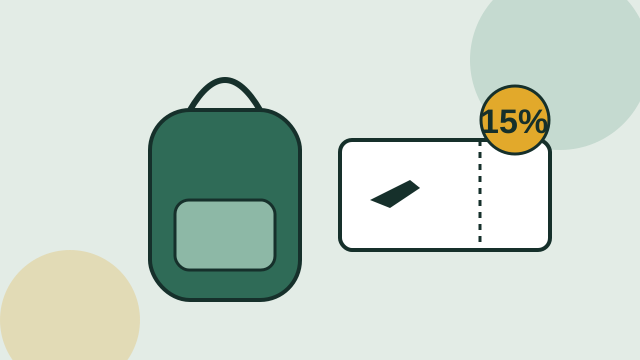
- For casual roles, tick the casual loading box if your quoted rate is the base rate and the loading is added on top.
The formula
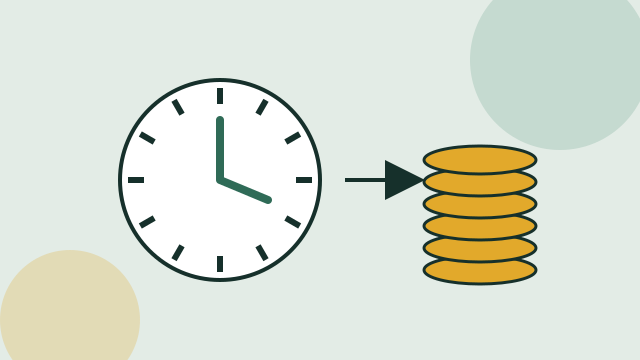
Annual salary = hourly rate × hours per week × paid weeks per year. Monthly pay is the annual figure divided by 12 rather than four weeks, because a month averages about 4.33 weeks. Going the other way, hourly rate = annual salary ÷ paid weeks ÷ hours per week.
Worked examples
At $35 an hour for 38 hours a week across 52 weeks, the annual salary is $69,160. That is $1,330.00 a week and $2,660.00 a fortnight before tax.
A casual worker with the same $35 base rate and a 25% casual loading earns $43.75 an hour. Over 38 hours and 52 weeks that would be $86,450, although casuals are not paid for leave, so a realistic year is often fewer paid weeks.
In reverse, a $90,000 salary for a 38-hour week is $45.55 an hour.
Casual loading explained
Casual employees don't get paid annual leave, personal leave or notice of termination. To compensate, most modern awards add a casual loading, commonly 25% of the base hourly rate. Some awards and agreements use different loadings or build the loading into a single "casual rate". Check your award or agreement on the Fair Work Ombudsman's Pay Calculator before relying on the 25% assumption.
Comparing a casual and a permanent offer
Because casuals are not paid for leave or public holidays they don't work, the fairest comparison is to reduce the casual's paid weeks. A permanent employee with four weeks' annual leave and around ten public holidays is paid for all 52 weeks while working about 46. A casual on the same hours who takes the same time off is paid for about 46 weeks. Run both scenarios here and compare the annual totals.
From salary to take-home pay
These results are gross pay, before tax. To see what you keep, copy the annual figure into the take-home pay calculator. If your hours change from week to week, add up your shifts with the work hours calculator first.
Limits of a simple conversion
Overtime, penalty rates for weekends, evenings and public holidays, shift allowances and higher duties all add to real earnings and vary by award. This tool converts ordinary-hours pay only. It also does not check whether a rate meets the national minimum wage or your award minimum.
Common mistakes when converting pay
The most frequent error is multiplying an hourly rate by 40 hours out of habit. Most Australian full-time roles are 38 hours, and the two extra hours add more than 5% to the answer. The second is using 4 weeks for a month: a month is 52 ÷ 12 = 4.33 weeks, so monthly pay from a weekly figure is weekly × 4.33, not × 4. The third is comparing a casual rate that already includes loading with a permanent base rate — always check which one you've been quoted.
Who uses this calculator
Students and casual workers use it to see what a job ad's hourly rate means across a year. Job seekers use it in reverse to turn a salary band into an hourly figure they can compare with award rates. Small business owners use it to cost a new role before advertising it, adding 12% super and other on-costs on top of the annual figure.
Frequently asked questions
How much is $35 an hour per year in Australia?
At 38 hours a week for 52 weeks, $35 an hour is $69,160 a year before tax.
How many hours is full-time in Australia?
The National Employment Standards set maximum ordinary hours of 38 a week for full-time employees, plus reasonable additional hours.
Should I use 52 or 48 weeks?
Use 52 for permanent employees because paid leave is still paid. Use fewer weeks for casuals or contractors who are not paid when they don't work.
Is casual loading always 25%?
It is 25% under most modern awards, but some awards and enterprise agreements differ. Check the instrument that covers your job.
Is the result before or after tax?
Before tax. Use the take-home pay calculator to work out tax, Medicare levy and net pay.