The 2026 and 2027 tax cuts
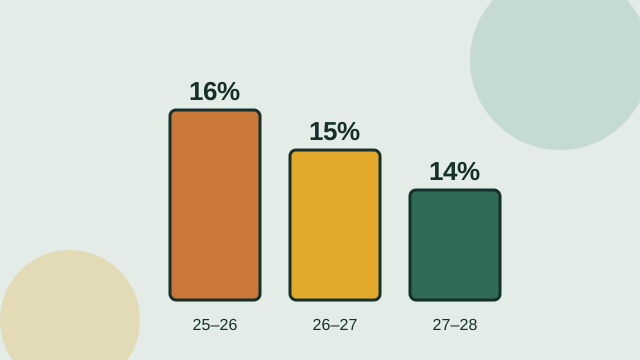
Parliament legislated two cuts to the second resident tax rate, which applies to income between $18,201 and $45,000. All other thresholds and rates stay the same.
| Taxable income | 2025–26 | 2026–27 | 2027–28 |
|---|---|---|---|
| $0 – $18,200 | Nil | Nil | Nil |
| $18,201 – $45,000 | 16% | 15% | 14% |
| $45,001 – $135,000 | 30% | 30% | 30% |
| $135,001 – $190,000 | 37% | 37% | 37% |
| $190,001 and over | 45% | 45% | 45% |
How much you save
Because the cut only affects the $26,800 band between $18,201 and $45,000, the saving is capped. Anyone with taxable income of $45,000 or more saves $268 in 2026–27 compared with 2025–26, and a further $268 in 2027–28. People earning between $18,201 and $45,000 save 1 cent for every dollar above $18,200 in each step — on $30,000, the 2026–27 saving is $118.
How to use the calculator
- Enter your taxable income — your income after deductions.
- Read the 2026–27 saving compared with 2025–26.
- Check the table for your income tax in each of the three years, and the extra saving in 2027–28.
Worked example
On $80,000 taxable income, income tax after the low income tax offset is $14,788 in 2025–26, $14,520 in 2026–27 and $14,252 in 2027–28. The saving is $268 from 1 July 2026 and another $268 from 1 July 2027.
Why Medicare levy is left out
The Medicare levy isn't affected by the cuts, and its low-income thresholds are reset each year, so including it would blur the comparison. The calculator compares income tax after LITO only. For your full position including Medicare and study loans, use the take-home pay calculator, which lets you choose the year.
When you'll see the cut
Employers began withholding less tax from pays made on or after 1 July 2026, when the ATO's 2026–27 tax tables took effect. Most people notice a few dollars more each week or fortnight rather than a lump sum. The 2027–28 cut is legislated; the ATO will publish matching tax tables before 1 July 2027.
Low income tax offset
LITO hasn't changed: up to $700 for residents earning $37,500 or less, reducing to nil at $66,667. For people on lower incomes the offset can reduce tax to zero, which is why very low incomes may show no saving at all.
Who benefits most
Because the saving is the same $268 for everyone earning $45,000 or more, it's worth proportionally more to lower and middle earners. On $50,000 it's about 0.5% of income; on $200,000 it's about 0.1%. People earning under $18,200 see no change because they pay no tax, and those just above the threshold may also see nothing because the low income tax offset already reduces their tax to zero.
Couples and households
The cut applies per person, not per household. A couple who both earn more than $45,000 save $536 between them in 2026–27 and a further $536 in 2027–28. Enter each person's taxable income separately to see their individual saving.
Seeing it in your pay
Divide the annual saving by 26 to estimate the change in a fortnightly pay: the full $268 is a little over $10 a fortnight. If your pay didn't change at all on 1 July 2026, check that your employer's payroll software applied the updated 2026–27 tax tables.
Planning with the 2027–28 rate
Because the 14% rate is already law, you can plan around it now. If you're weighing up when to take a bonus, sell an asset or start a new role, the 2027–28 column shows the tax on the same taxable income a year later. The difference is small — at most $268 — so it rarely decides a big financial choice on its own, but it does affect budgets for people on modest incomes.
Frequently asked questions
How much is the 2026 tax cut?
Up to $268 a year for residents with taxable income of $45,000 or more, compared with 2025–26.
What is the lowest tax rate in 2026–27?
15% on income between $18,201 and $45,000, down from 16%.
Is the 14% rate legislated?
Yes. The cut to 14% from 1 July 2027 is legislated.
Did the tax-free threshold change?
No. It remains $18,200 for residents.
Do foreign residents get the cut?
No. The cut applies to the resident rate scale only.